Project · Commercial Roofing

Commercial TPO Roof Repair in Arlington, TX

Nineteen places on a commercial flat roof where water could get in — rips in the TPO membrane, separated seams, and earlier repairs and penetrations that had never been sealed properly. Each one was cleaned, heat-welded or sealed, numbered on the roof and photographed.

TPO Membrane 19 Repairs Heat-Welded Patches Penetration Sealing
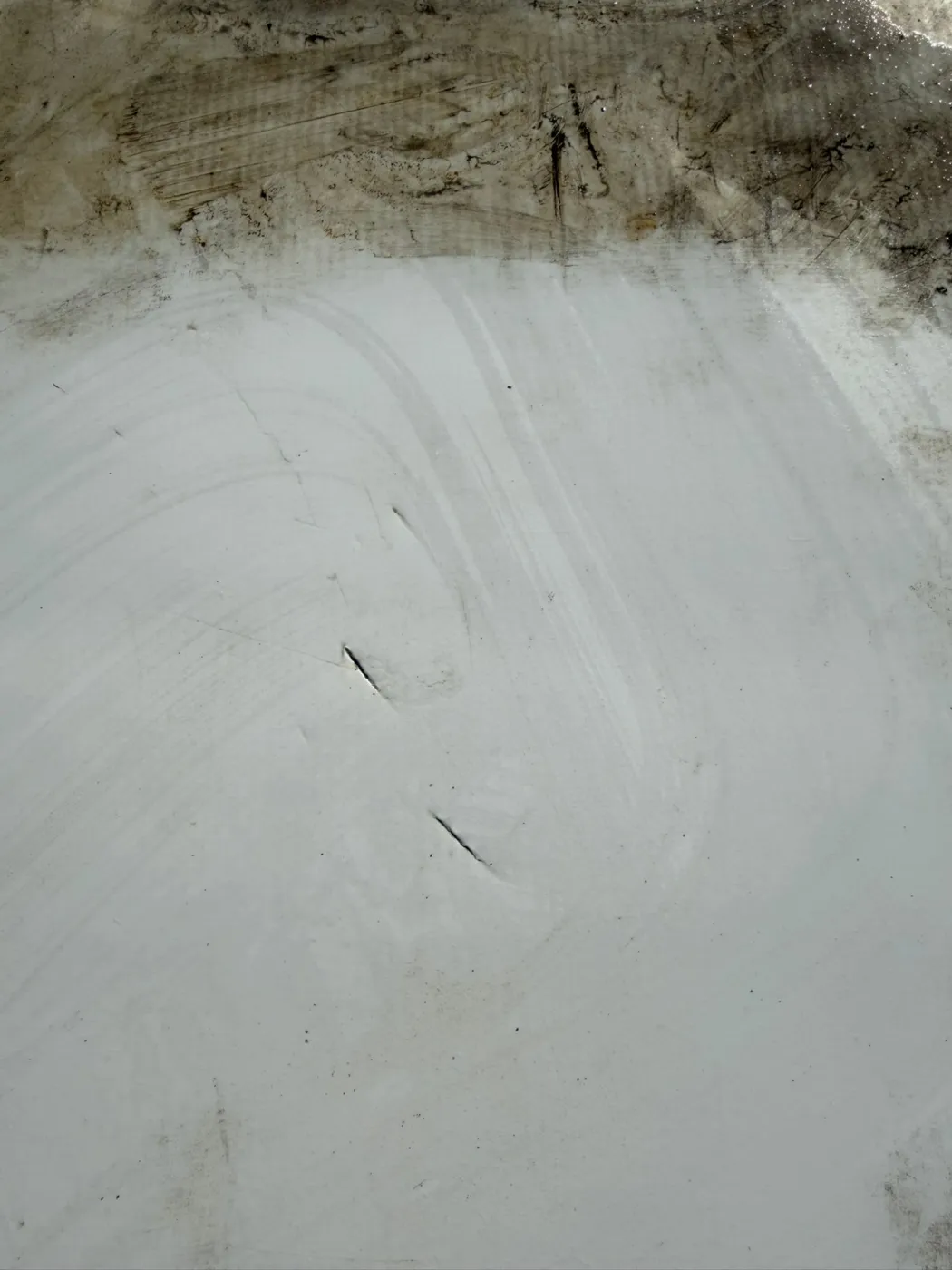
Cuts and slits in the white TPO membrane of a commercial roof, found before the repair by RGS General Contracting
Found on site — cuts in the membrane

What We Found

A roof that looked fine from the ground

A TPO roof is a single layer of membrane, so it only takes one opening to let water into the building. On this roof there were nineteen. Some were rips and cuts in the membrane itself. The rest were seams that had pulled apart and earlier repairs around pipes, vents and HVAC lines that had not been sealed properly — the kind of fault that leaks a little in every rain and shows up inside long after it started.

We walked the whole roof, marked every fault, and repaired each one with TPO welded into the existing membrane rather than covered over with caulk or tape.

Property
Commercial building
Location
Arlington, TX
Roof system
TPO single-ply membrane, low slope
Scope
19 numbered repairs: seams, rips, pipe, vent and HVAC penetrations

What We Repaired

Four kinds of repair, and why each one matters

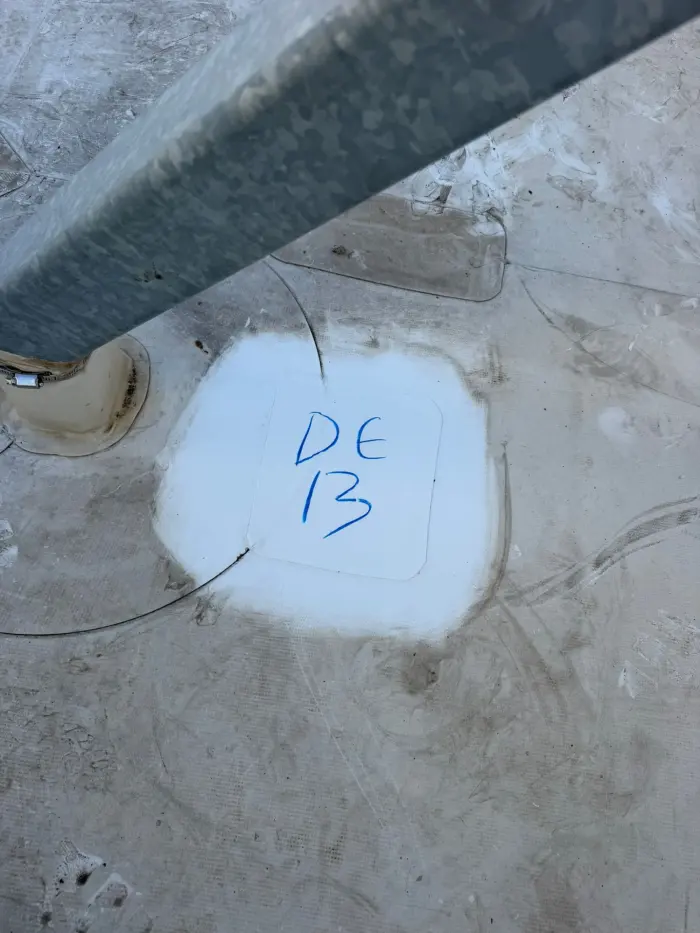
Heat-welded TPO patch marked DE 13 at the base of a rooftop pipe support

Pitch Pan & Pipe Penetration Waterproofing

Wherever a pipe or equipment support passes through the roof, the membrane has to be sealed around it. We rebuilt the seal at the base so the joint is watertight again.

Why it is done

  • Penetrations are the most common leak point on a flat roof.
  • Sealant at the base shrinks and cracks after a few Texas summers.
  • Water that gets in follows the pipe straight down into the deck and insulation.
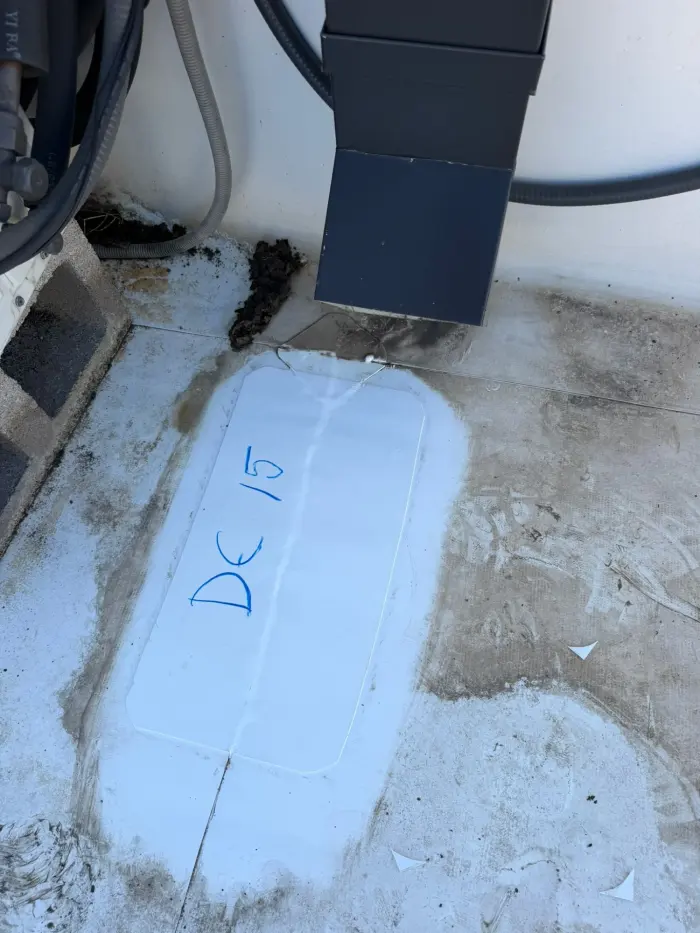
TPO patch marked DE 15 sealing the roof where HVAC refrigerant lines enter the building

HVAC Refrigerant Line Penetration Sealing

Refrigerant lines run from the rooftop units down into the building. The opening around them was not properly sealed, so we closed it off and tied it into the membrane.

Why it is done

  • An open gap at a line set lets rain run directly into the building.
  • Running units vibrate, which breaks rigid caulk seals over time.
  • Wet insulation stops insulating and can corrode the metal deck under it.
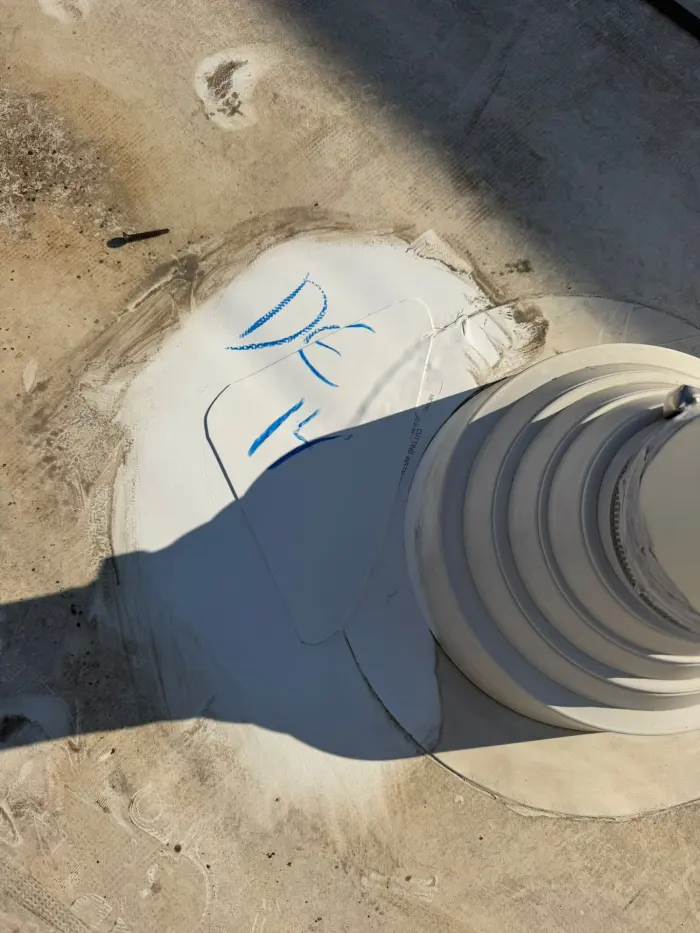
Vent pipe flashing boot on a TPO roof with a new heat-welded membrane patch marked DE 14

Vent Penetration Flashing & Membrane Repair

Vent pipes need flashing that is welded to the roof membrane around them. Where it had failed, we repaired the flashing and the membrane at its base.

Why it is done

  • Failed flashing at a vent leaks in every rain, not just in storms.
  • Water spreads under the membrane, so the stain inside rarely lines up with the leak.
  • Catching it early protects the ceilings and prevents mold below.
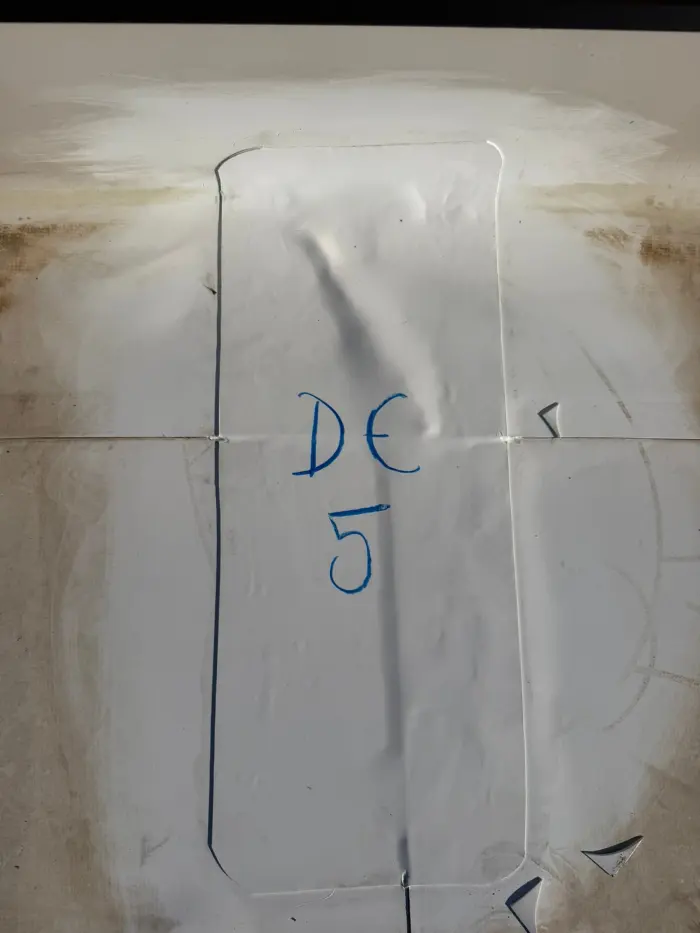
Long heat-welded TPO patch marked DE 5 covering a separated seam on a commercial roof

Seam Separation & Heat-Welded Patch Repair

TPO sheets are joined by welding them together with hot air. Separated seams, rips and cuts were cleaned and covered with TPO patches welded into the membrane, with rounded corners.

Why it is done

  • An open seam lets water travel under the sheet across the roof.
  • A welded patch becomes part of the membrane; tape and caulk only sit on top of it.
  • Rounded corners have no point for wind or foot traffic to lift.

How It Was Done

Marked, cleaned, welded, documented

Inspect & Mark

We walked the entire roof and numbered every fault, so nothing was missed and the owner could check each repair afterward.

Clean & Prep

TPO will only weld to clean membrane. Each area was scrubbed and prepared before any patch went down.

Weld & Seal

Patches were heat-welded into the existing membrane, and penetrations were flashed and sealed around their base.

Photograph

Every finished repair was photographed with its number — the log below is that record.

Repair Log

All 19 repairs, as they were left

Each repair is labelled on the membrane with its number. Click any photograph to open it full size.

Next Step

Talk to the crew that will do the work

Every estimate is free and starts with a walkthrough. Call and speak to RGS General Contracting directly — no call centre, no sales handoff.

Ready to start your project?

Tell us a bit about the job and we'll follow up within 24 hours with next steps — free estimates on every project, every time.